The Blog
A Message That Made Me Think
In my last post, I wrote about how my relationships have improved over the past few years. Not just because I made some changes in my life, but because I’ve become more present in the relationships that matter to me. I think everyone would agree that being a good neighbor — truly engaging with the people in our lives — is far more meaningful than simply being around them.
You can find suggestions about being a better neighbor all over the internet – here’s one example.
That idea came back to me again over the weekend while listening to the message at church on Sunday. Hearing that message triggered my thinking and inspired me to write a follow-up piece. The message was something simple, but powerful:
What does it really mean to be a good neighbor?
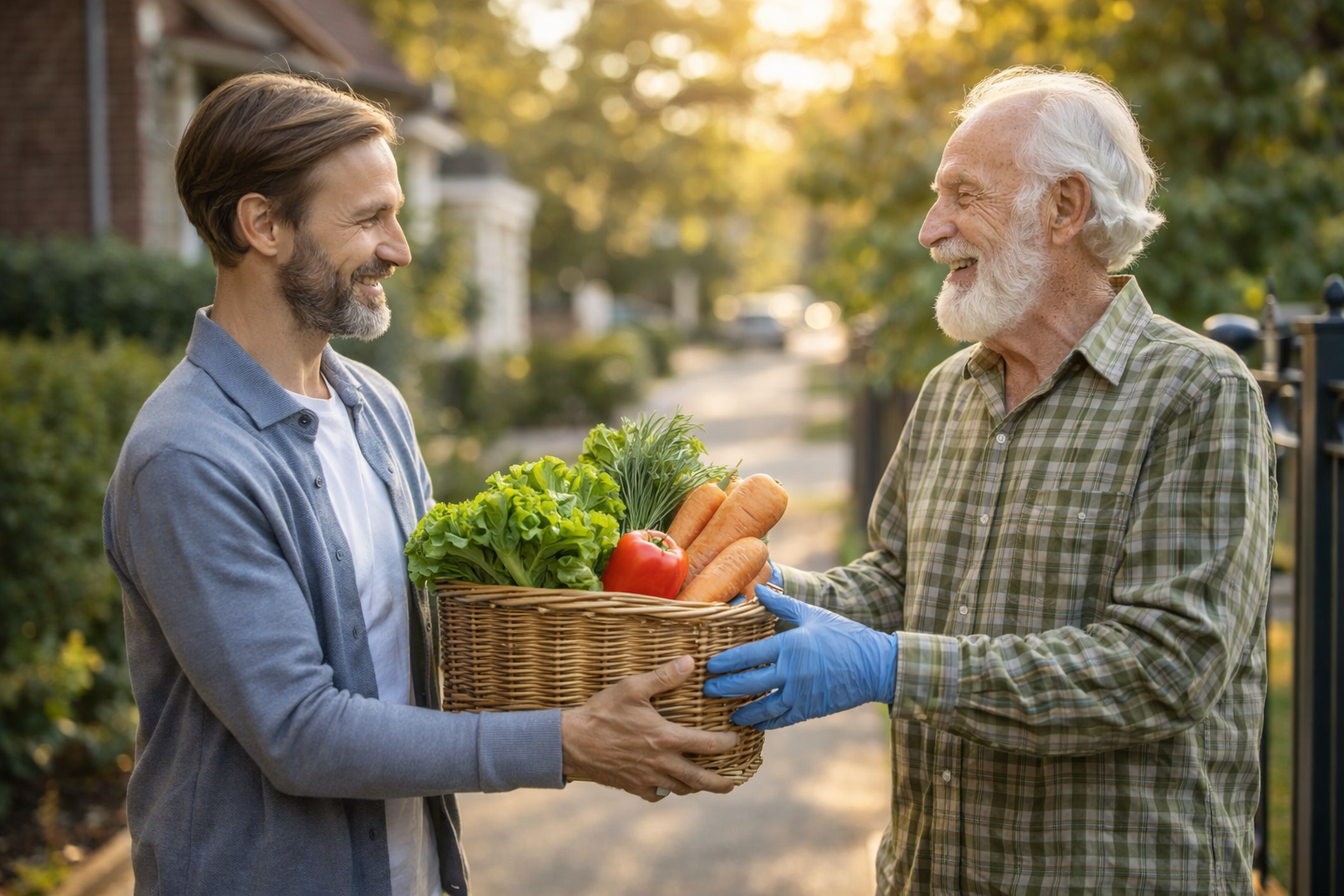
At first, the phrase sounds straightforward. Most of us probably think of a neighbor as the person who lives next door—someone who takes your garbage out when you’re out of town, or that we wave to while getting the mail. Occasionally, it may mean carrying heavy furniture, or providing help when they need something. Maybe they’re your late-night grocery store when you need a half cup of milk or a stick of butter.
But it doesn’t really matter how much or how little we interact with our neighbors. The message is universal, and the neighbor is just an example. What really matters is how we show up for the people around us.
Life On Autopilot
It made me stop and think about how easy it is to move through life on autopilot.
Most of us are busy. We have work responsibilities, family obligations, errands to run, and schedules to keep. It’s easy to move from one thing to the next without really slowing down enough to notice the people around us or the things they might be dealing with.
How many times have we spent a minute or two talking about the weather or making some quick joke about how no one seems to know what’s going on in the world?
Sometimes we’re physically present, but not really there. We’re half-listening to conversations, distracted by our phones, or thinking about the next funny quip or whatever comes next on the schedule.
We spit out a quick predetermined comment and try to transition away from others and back toward ourselves. We nod along and respond when it’s our turn to speak, but we’re not really engaged.
Being A Good Neighbor: What It Really Means
The message I heard over the weekend wasn’t about doing something extraordinary for others. It was about something much simpler: being present, showing empathy, and giving people our attention when they need it. It’s also about the power that one extra moment or one extra thought can have on the lives of people around us.
Being a good neighbor might mean listening when someone needs to talk. It might mean asking how someone is really doing instead of offering a quick “How’s it going?” as we rush past.
Sometimes it’s as simple as noticing when someone might be having a hard day and taking a moment to check in.
It’s less about the action or the response and more about the intention of that action, or response. None of those things require special training or expertise. They simply require us to slow down enough to care.
The truth is, everyone is carrying something. Some struggles are visible, but many aren’t. People are dealing with stress, loss, uncertainty, and challenges we may never fully understand.
When we take the time to be present and engaged with the people around us, we create space for connection and support that might not exist otherwise.
Why Presence Matters
Over the past few years, I’ve become more aware of how important that kind of presence can be in relationships and in the support people receive during difficult times. When we truly engage with the people in our lives—when we listen, when we show patience, when we approach others with empathy—it changes the dynamic of those relationships.
Conversations become more meaningful. Trust grows. And we often find that the connections we build give back far more than we expect.
Being a good neighbor isn’t about being perfect, and it certainly doesn’t mean we always know the right thing to say or do.
Hell, I’m pretty sure I say the wrong thing under most circumstances.
But the difference for me now is that when I say the wrong thing, I’m at least aware of why it might be wrong. It’s not a canned answer that I’ve queued up, waiting for a break in the conversation so I can squeeze it in and shift the attention back to myself.
Being a Good Neighbor Can Change Lives
The preacher at church challenged us to take a moment and think about whether we’re actually good neighbors. I’m pretty sure he wasn’t talking about having that half cup of milk when someone needs it.
It made me think more deeply about how much I’m actually putting into my relationships.
Being a good neighbor is about offering understanding instead of judgment. It’s about recognizing that the people around us might need more from us than a quick greeting or a polite nod.
Sometimes the topic of the day might just be the surface covering something much deeper—something someone is afraid to realize or reluctant to acknowledge because of what facing it might mean.
It’s in those moments when we can all be better.
The message I heard this weekend wasn’t complicated, but it stuck with me. It made me reflect on how I interact with the people in my life and whether I’m truly giving my time and attention to the things—and the people—that matter most.
Being a good neighbor isn’t about doing something extraordinary. Subtle and simple things can have profound effects.
They can change lives.
They can save people when they may not even know they need saving.
It’s a simple idea, but it’s one worth thinking about.
Are you a good neighbor?
That question sounds simple, but pause for a moment and you might realize that a quick response is exactly what we should be avoiding.
Who knows what impact a few extra moments of presence and attention might mean for someone?


Be the first to comment