The Blog
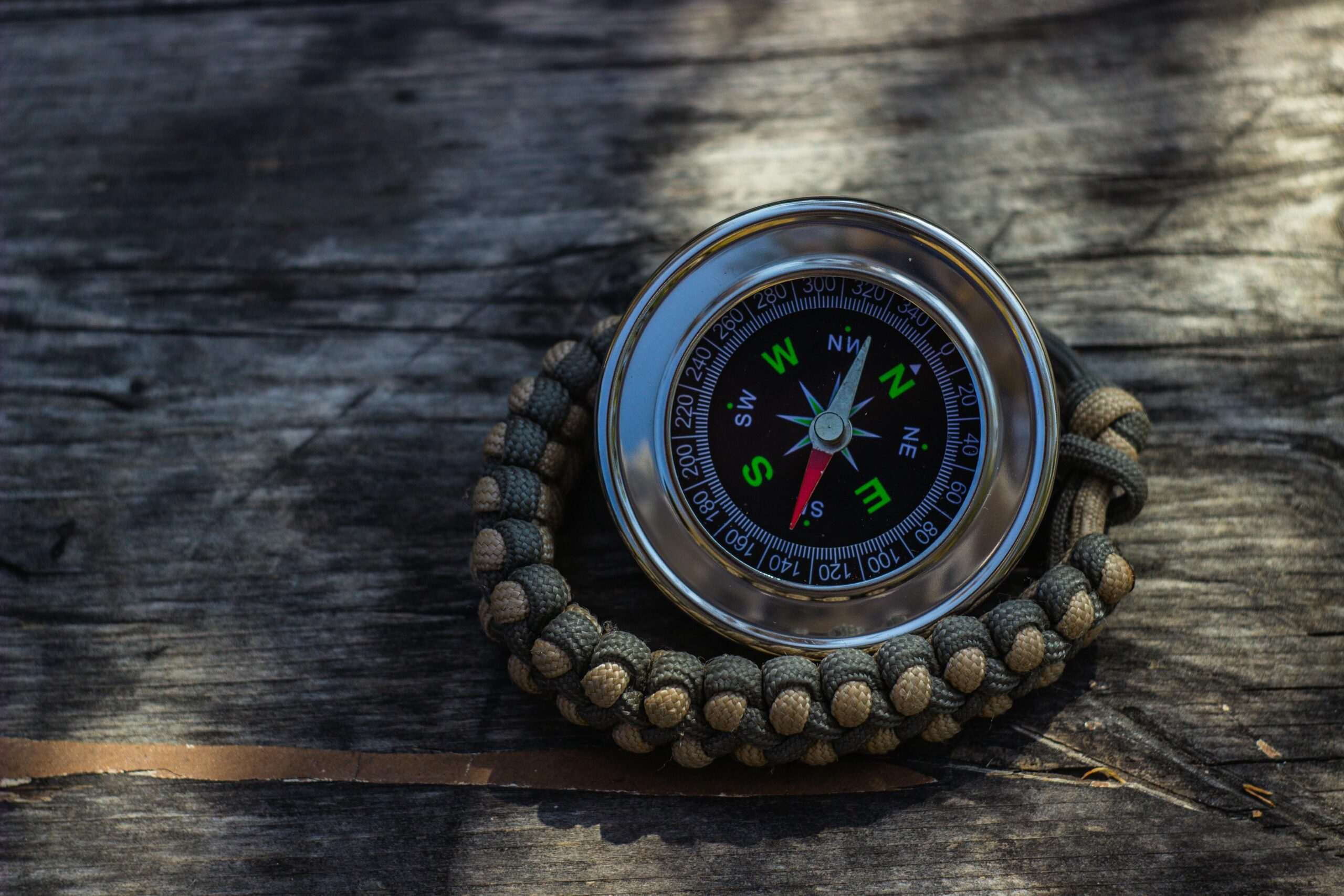
Recently, I’ve received some questions about the name I chose when creating this practice. Some people immediately connect with it and like the visual. Others are curious — what does “True North” have to do with recovery after treatment, and where did it come from?
When people first hear True North Sober Support, they often assume it’s about direction. And it is — but not in the way most of us are used to thinking.
Early recovery often begins in a very difficult place. There have likely been hard conversations and situations that led to treatment, and now you’re faced with taking ownership of what comes next. In that period immediately after treatment, when people are adjusting to life after rehab, they tend to land in one of two spaces:
- They begin to accept their reality, or
- They feel a strong urge to defend themselves and push back against it.
At some point, though, real recovery requires acknowledging that there is a problem. Until that happens, the mind stays stuck on questions like:
- What should I do?
- How do I fix this?
- How do I make sure I put this behind me for good?
Once someone commits to change, the questions often shift:
- Am I doing this right?
- When am I done?
- When will life feel manageable again?
We naturally want a clear plan — a map we can follow that guarantees things will improve if we just follow instructions.
But recovery rarely works like that. Recovery is less about having a perfectly drawn map and more about learning how to orient yourself when life feels uncertain and how to keep moving forward even without clear answers.
That’s where the idea of True North comes in, and it is less about reaching a place and more about learning how to stay oriented.
TRUE NORTH IS NOT A DESTINATION
On a compass, True North is fixed. It does not change based on weather, terrain, or how lost someone feels. It simply exists as a constant point of reference. Just what is needed in recovery after treatment.
Recovery works in a similar way.
True North is not a place you arrive. It is not a milestone, a date, or a point where you are “finished.” In the Core Values Recovery approach, this is often called the infinite game. There is no finish line that defines recovery. Instead, it is a lifetime of small, intentional decisions that build confidence, accountability, and stability over time.
Recovery is progress, not perfection. It is the accumulation of small decisions made day after day, month after month, and year after year. That ongoing process is what makes recovery sustainable.
Each of us already has a set of core values that define who we are. True North is not something you create — it is the set of principles that guide your decisions, especially when emotions, fear, or old habits try to pull you off course.
You do not reach True North. You learn to realign with it, again and again.
If you would like a deeper look at this idea, this article offers a helpful perspective on how the concept of True North has been used as a guide in both life and leadership.
RECOVERY IS A PROCESS OF REALIGNMENT, NOT PERFECTION
Many people enter recovery assuming that they need to completely reinvent themselves. That pressure can feel overwhelming and, at times, paralyzing. But sustainable recovery is not about becoming someone new. It’s about returning to the values and direction that existed before addiction, anxiety, avoidance, or pain began driving your decisions.
There will be days when you feel steady. But there will also be days when you struggle — days when you feel completely off track. It’s in these moments that recovery is truly defined. This is where your commitment is tested.
You don’t need to avoid those moments. You need to learn from them — to pause, reset, and deliberately point yourself back toward your True North.
The goal is to notice what you’re feeling, understand what’s driving it, and decide what action best aligns with your core beliefs. Ask yourself, “What is the next right step to get back in alignment?”
Small course corrections are how long-term recovery is actually built.
DIRECTION MATTERS MORE THAN SPEED
In our culture, we often measure success by how quickly someone, or something improves. But recovery is not a race, and moving fast in the wrong direction only leads back to the same struggles.
A compass doesn’t care how fast you walk. It only matters whether you are headed in the right direction.
In early recovery, the right direction can look different from one day to the next. Some days it means taking action. Other days it means asking for help and slowing down. Sometimes it means staying present instead of escaping. At times, it may simply mean pausing, taking a breath, and allowing yourself the space to reset.
These are not small things. They are the practical tools that help people stay aligned with recovery after treatment and continue moving forward, even when progress feels slow.
Progress in recovery is measured by willingness, honesty, and consistency — not by dramatic transformation. Over time, those steady choices create real change and help build a life that supports long-term sobriety.
YOU DON’T NEED TO NAVIGATE RECOVERY ALONE
One of the most damaging myths people carry is that they should be able to handle recovery on their own. I struggled mightily with this concept. I felt like I should have been able to handle things on my own — and struggled when I couldn’t.
Many people I’ve met along this path are strong, capable, and highly accomplished. They are used to solving problems on their own and carrying significant responsibility. That independence can be a tremendous strength in life, but recovery asks something different of us. At some point, we all need help — and sometimes the hardest step is asking for it.
Even the most experienced navigators rely on tools, feedback, and other people to stay oriented. Support is not a sign of weakness. It is one of the key ways people maintain recovery after treatment and build lasting change. I have grown to appreciate people who know when they need to ask for help. Guidance, accountability, and structure help you stay aligned when emotions, stress, or uncertainty make it difficult to see clearly.
IN THE END
Recovery after treatment does not remove life’s storms. Stress, loss, frustration, and doubt are still part of being human. What changes is how you respond to them. Instead of reacting automatically, you begin to pause. Instead of escaping discomfort, you learn to tolerate it. You also develop the ability to re-center and choose your next step intentionally.
Everyone drifts at times. Everyone gets tired. Moments of doubt are part of the process. In recovery, drifting is not failure. It is simply a signal to reorient, reconnect, and continue forward.
While I’ve described True North through a recovery lens, this concept is widely used beyond recovery as well. This article from BetterUp offers another perspective on how learning to realign with your values is a trait many successful people intentionally practice.
True North does not disappear when you lose sight of it. It is always there. The work of recovery is learning how to return to it — again and again — as you build a life grounded in clarity, purpose, and direction.


Be the first to comment